The Bartender Behind The Bar: EYWA’s Quan (Monkey) Shares His Hai Phong Guide
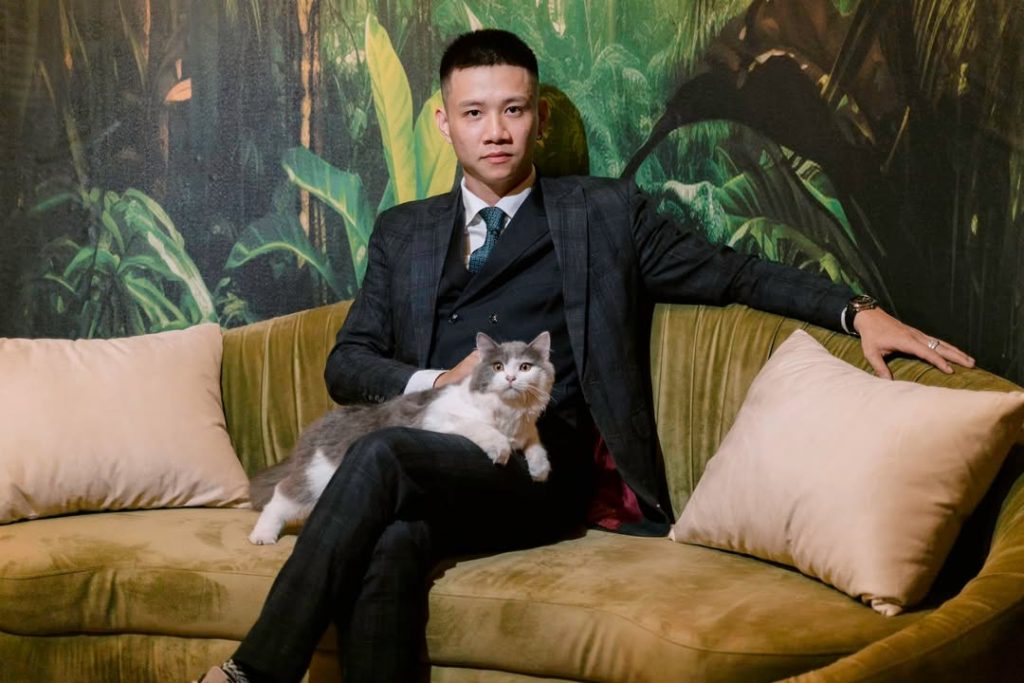
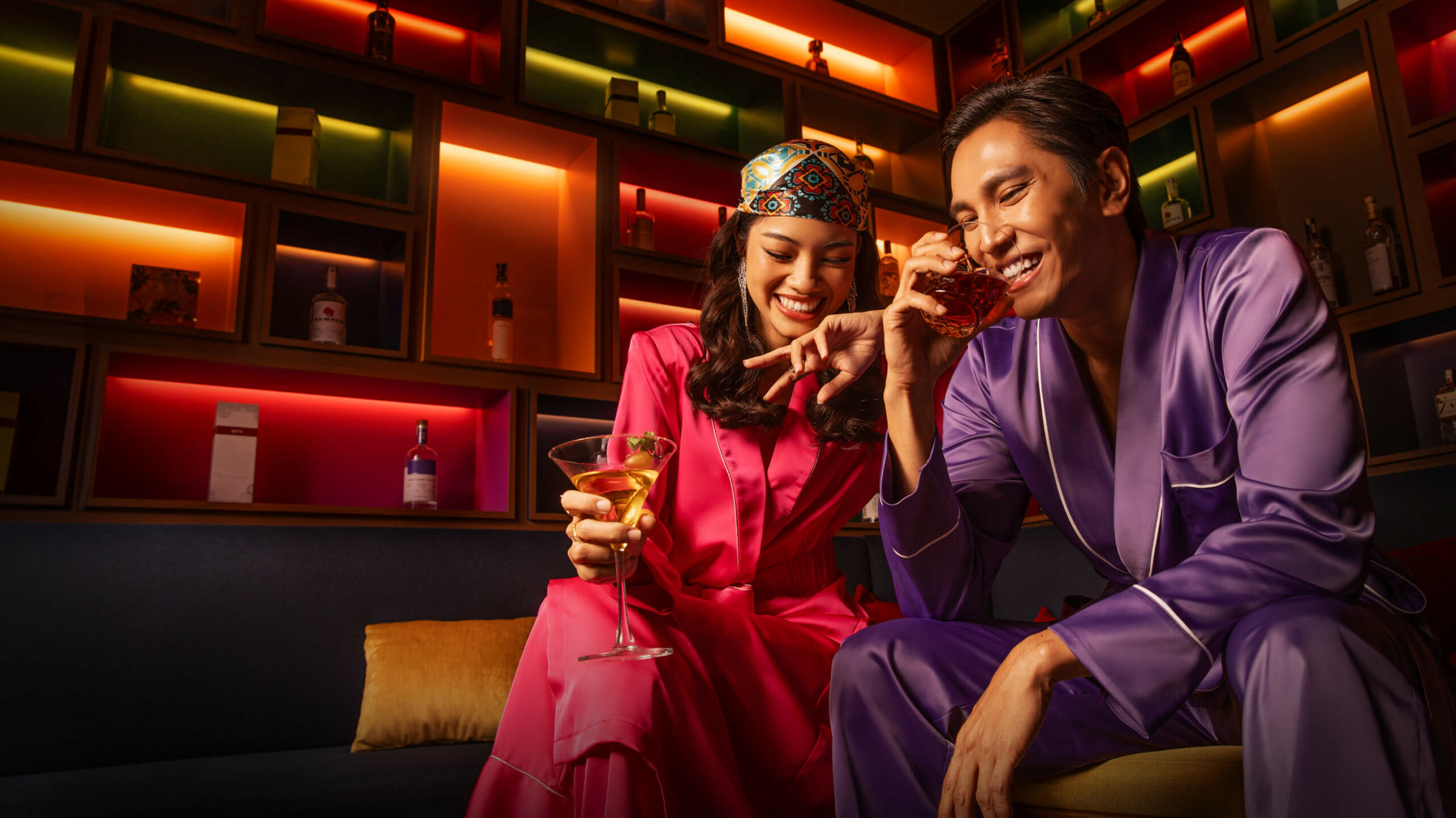
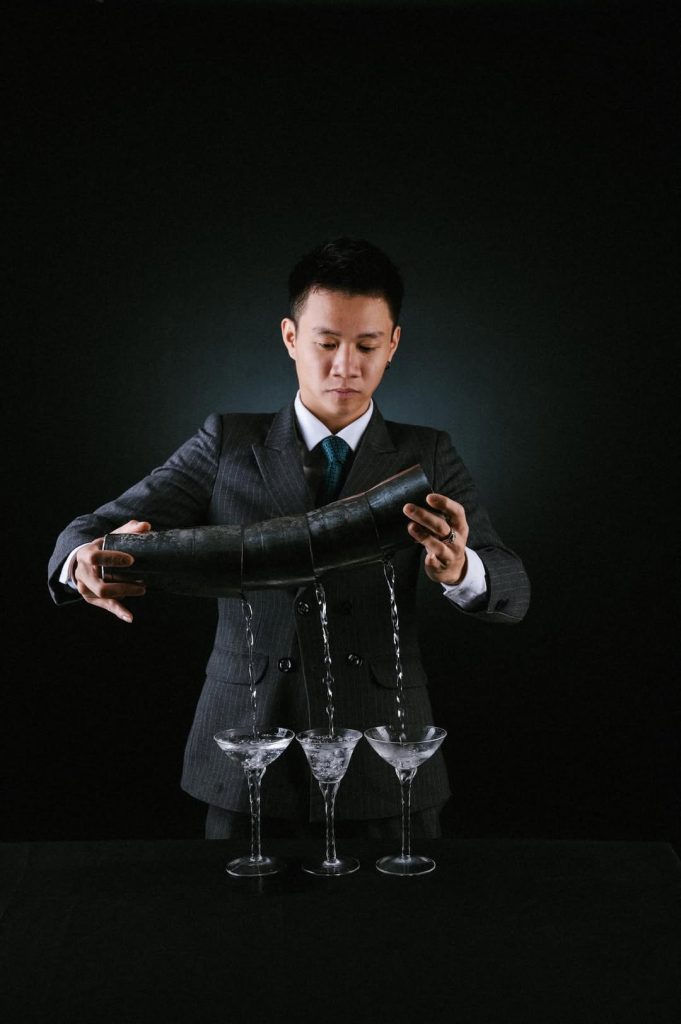
When Quan (Monkey) mixes a cocktail at EYWA, it’s not just another drink being served—it’s the culmination of years spent understanding this port city’s unique rhythm. But we’re not just here to talk about cocktails this time. We want to get the bar owner and LUMER co-founder’s guide to Hai Phong—the coastal city he calls home.
“Hai Phong is like some seafood, one side perfectly grilled, the other side raw,” Quan explains, his metaphor capturing the city’s dual nature as perfectly as his cocktails capture local flavors. Standing behind the bar at EYWA Cocktail Bar, the seasoned mixologist has become something of an unofficial culinary ambassador for a city that he believes is “definitely in the TOP 3” food destinations in Vietnam.
Four Seasons, One Distinctive Identity
Quan’s assessment of Hai Phong’s culinary identity is precise and personal. “Hai Phong balances the cuisine of colonial-era France, with China, and its own signatures shaped by its proximity to the sea,” he explains, describing a fusion that happened naturally over centuries rather than by design.
This isn’t marketing speak—it’s the observation of someone who serves food-obsessed customers nightly.
What sets Hai Phong’s cuisine apart from other Vietnamese cities is its subtlety. “It’s not too salty, like in the middle of Vietnam. Not too sweet like Southern cuisine. And it’s not too spicy. It’s somewhere in the middle. And that makes it easy for everyone to appreciate,” Quan continues. The four seasons dictate everything here: “So the cuisine depends on what we have on hand to cook.” It’s this seasonal adaptation combined with multicultural influences that creates something uniquely balanced.
The Dish That Defines Everything
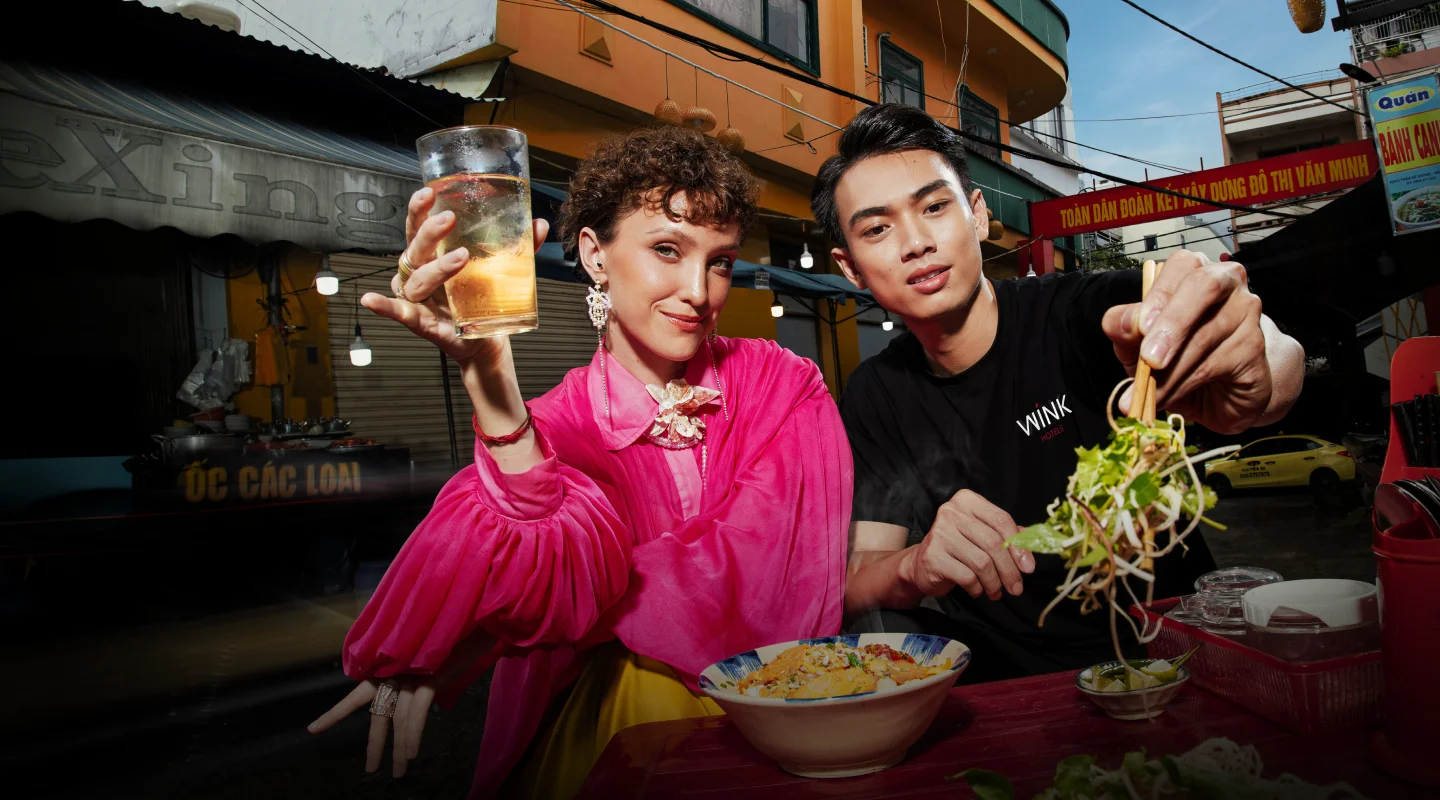
When pressed to identify the one dish that captures Hai Phong’s essence, Quan (Monkey) doesn’t hesitate: bánh đa cua. “The distinct, red color of rice paper. Only made in Hai Phong,” he says with evident local pride. This crimson noodle soup isn’t just food—it’s cultural identity in a bowl.
“The way people use seafood to cook the stock. Small crab in the field to blend as a soft, creamy & chunky texture,” Quan explains the technique that makes local versions special. What truly defines the dish is customization: “Seafood, chả lá lốt, chả cá & season by yourself before eating with calamansi, chí chương (specialty spicy sauce), salt or more chillies.” His insider timing advice: “Morning time: Van Cao street. Night time: Lạch Tray Street.”
Where Generations Preserve The Flavors
Quan’s respect for culinary tradition runs deep when discussing the families who’ve maintained authentic Hai Phong flavors across decades. “In Hai Phong, we have a lot of families, spanning generations all across the city, cooking good food for guests. Some have become famous and opened restaurants, some are still selling on the streets for more than four or five decades,” he notes, listing generational establishments like a living food encyclopedia.
These aren’t just restaurants—they’re cultural institutions: bánh đa cua and bún cá specialists, “gà tần thuốc bắc” (herbal chicken soup), the legendary “bánh mì cay Khánh Nạp,” delicate “bánh bèo,” and “bánh rán bà Lạng.” What distinguishes all of them, according to Quan, is technique: “For me, the way people here use fish sauce in different ways in food makes it distinct from other cities.”
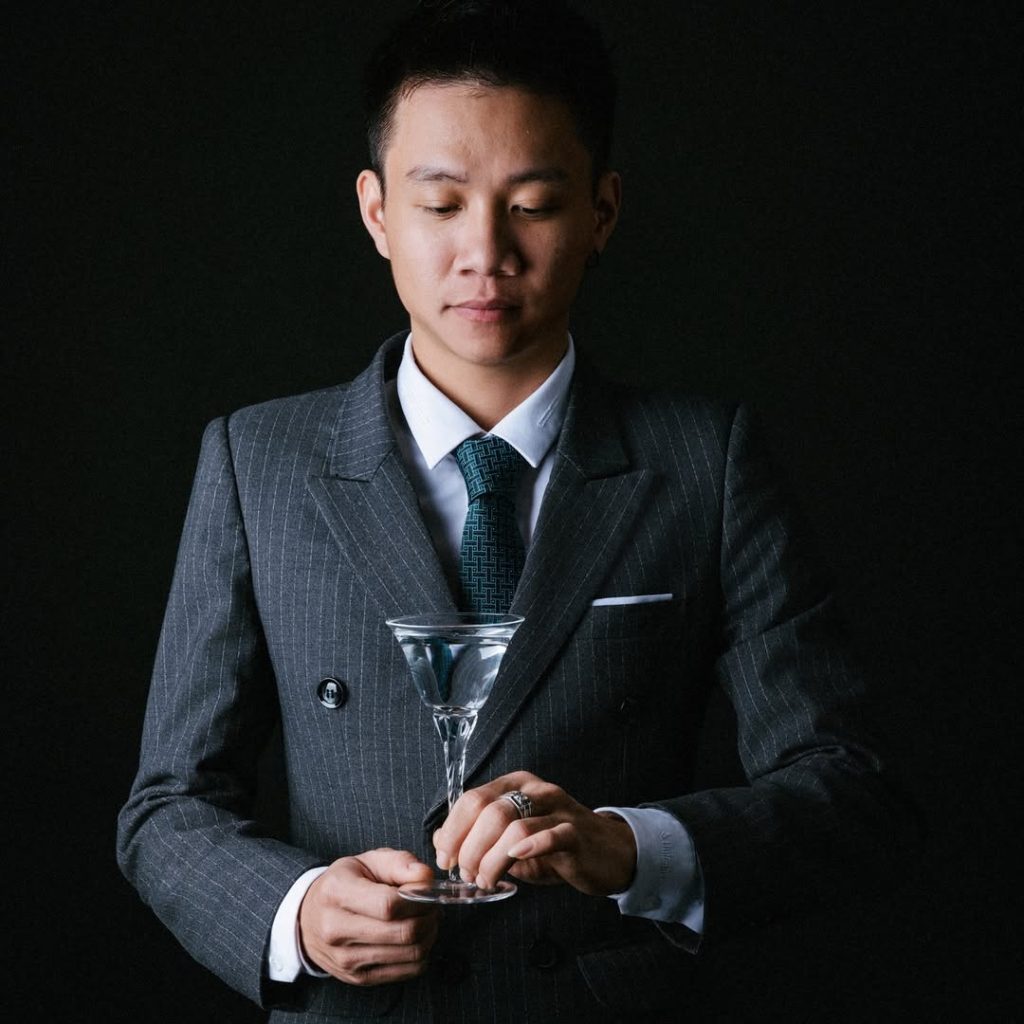
Quan (Monkey)’s Hai Phong Guide
Between mixing cocktails and discussing local food culture, glimpses of Quan’s daily life in Hai Phong emerge. Having established himself as both a successful bar owner and culinary insider, he’s developed specific haunts that define authentic local living.
Where should we go for morning food rituals?
I think it is ‘Bánh cuốn’. Special with sauce cooking by fish sauce and pork bones. Bánh đa cua of course. People here can enjoy Bánh đa cua anytime.
What should we drink with our meals?
Nhân trần. Kind of tea leaves boiling, which brings gentle sweetness, a touch of herbal.
Where would you take someone for a food tour?
We called it ‘Food Tour’. There are a few places can explore around. ‘Cát Bi’ market; ‘Cố Đạo’ market; Banh đa cua in Lạch Tray street, Ốc (snail, mussel…) Chu Văn An.
Where do locals hang out to catch up with friends?
Coffee shop for the morning/noon. Hot pot or grilled house on the streets. A cocktail bar for nighttime or another hot pot/grill place in Hồ Sen.
Where’s your favorite place to get drunk?
My Bar first for sure. Safe to drop out. Sometimes in friendly-house food (I mean Quán Nhậu – kind of normal, street restaurant).
What about foreign flavors?
Not too much choice right now. In my opinion, no restaurant with good steak. Sashimi can find some. Korea cuisine can find out in Văn Cao.
Best late-night eats?
Văn Cao Street is still a hot spot for foreigners. But Hồ Sen or Lạch Tray stick for Vietnamese.
Any local desserts worth seeking out?
Its seem losing day by day. Called ‘bánh rán’.
Finally, what makes Hai Phong’s seafood approach unique?
Hai Phong wants to ‘kill’ the fishy flavor of seafood before cooking; opposite with Southerners want to keep that fresh. For me, more side of the sea things.
From behind the bar at EYWA, Quan (Monkey) has become an unofficial ambassador for Hai Phong’s evolving food scene. His insider knowledge comes from years of serving both locals and visitors, making him the perfect guide to a city that deserves recognition among Vietnam’s greatest culinary destinations.