




Nobody Told Us Hai Phong Was This Good: Your 2-Day Hai Phong Itinerary

If you’ve been putting off building a Hai Phong itinerary because you weren’t sure the city was worth it, let us settle that right now: it is. Completely.
Hai Phong doesn’t mess about. The port city has none of Hanoi’s self-conscious grandeur and none of Hoi An’s postcard prettiness. What it does have — in heroic abundance — is crab noodle soup, flamboyant trees in full bloom, French colonial architecture that’s actually still standing, and the kind of unpretentious city energy that makes you feel like you’ve discovered something the algorithm hasn’t found yet. Two days and one night here won’t scratch the surface. But it’ll hook you.
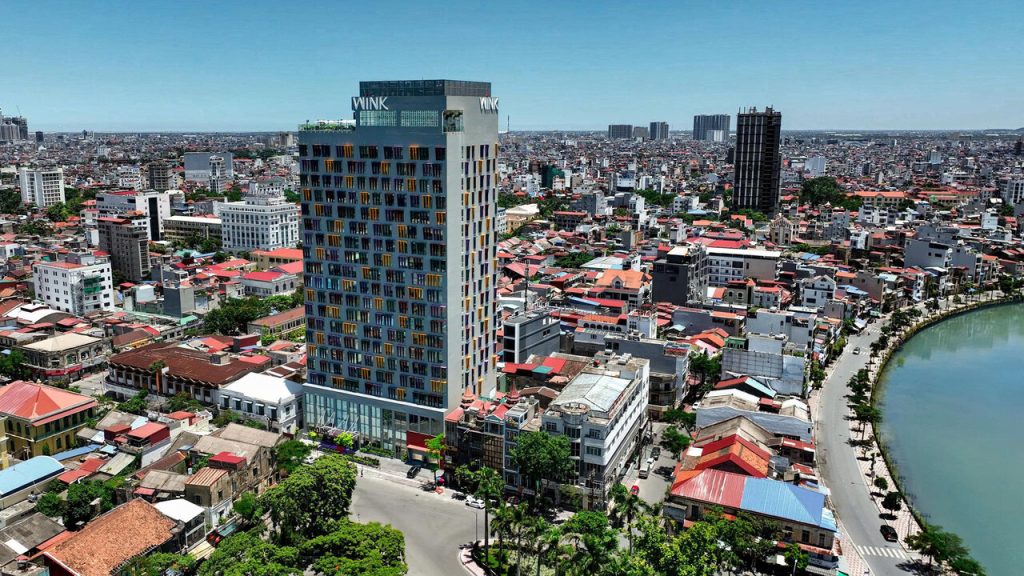
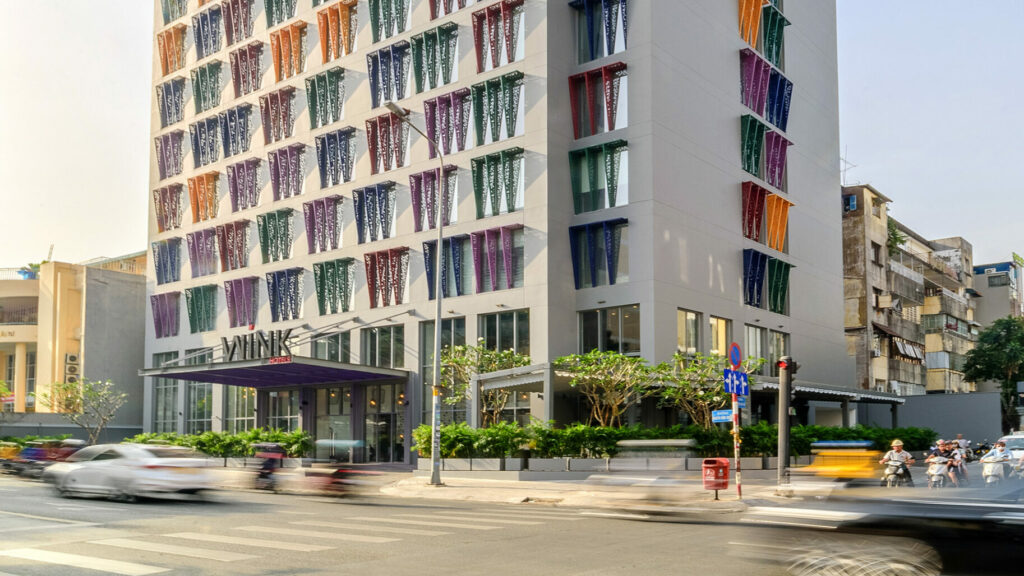
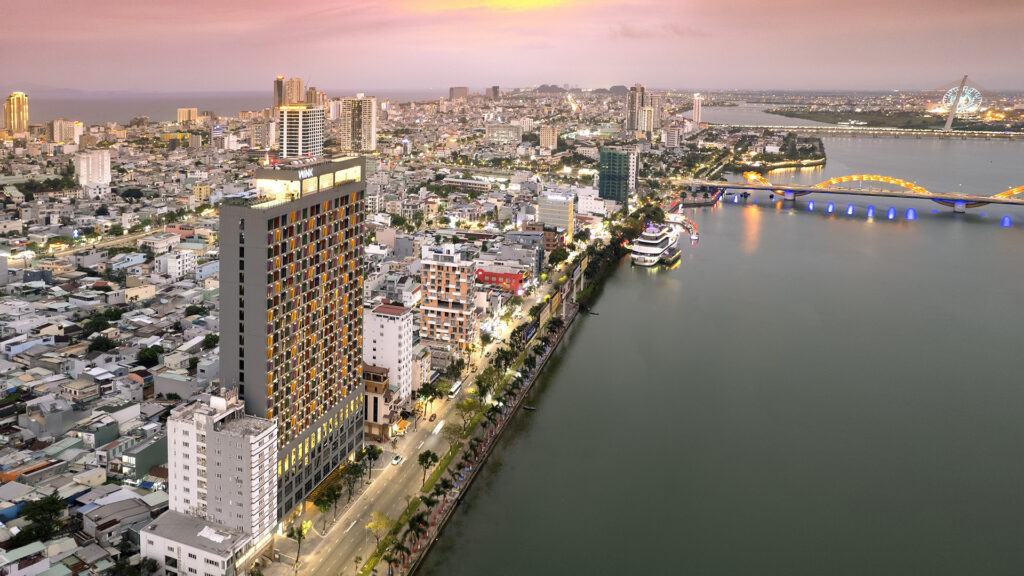
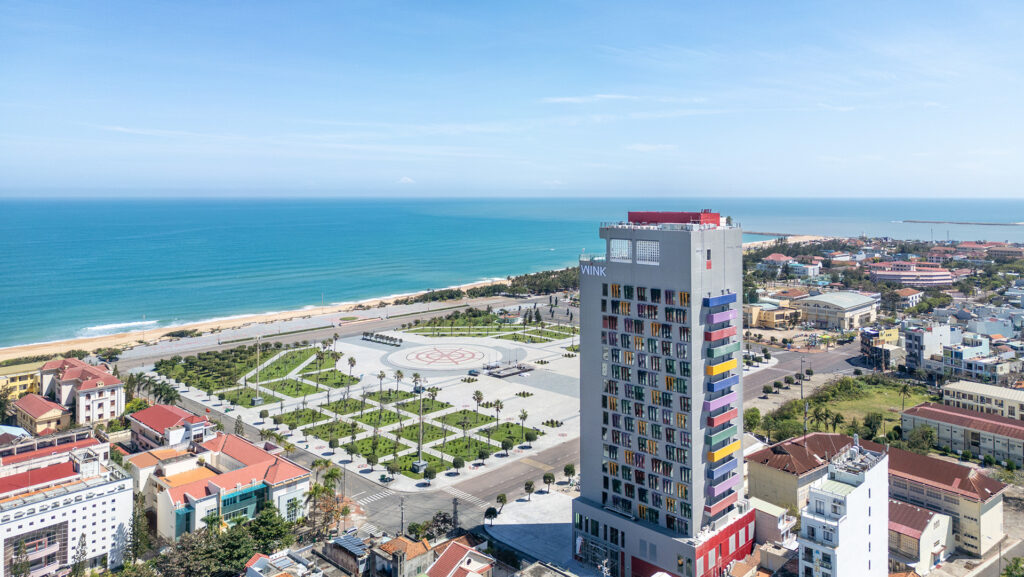
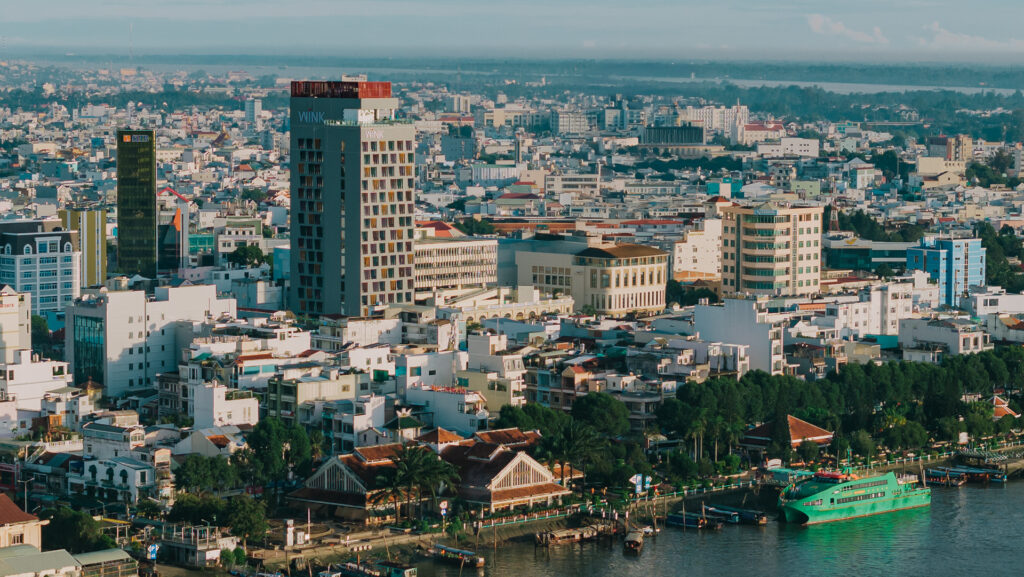
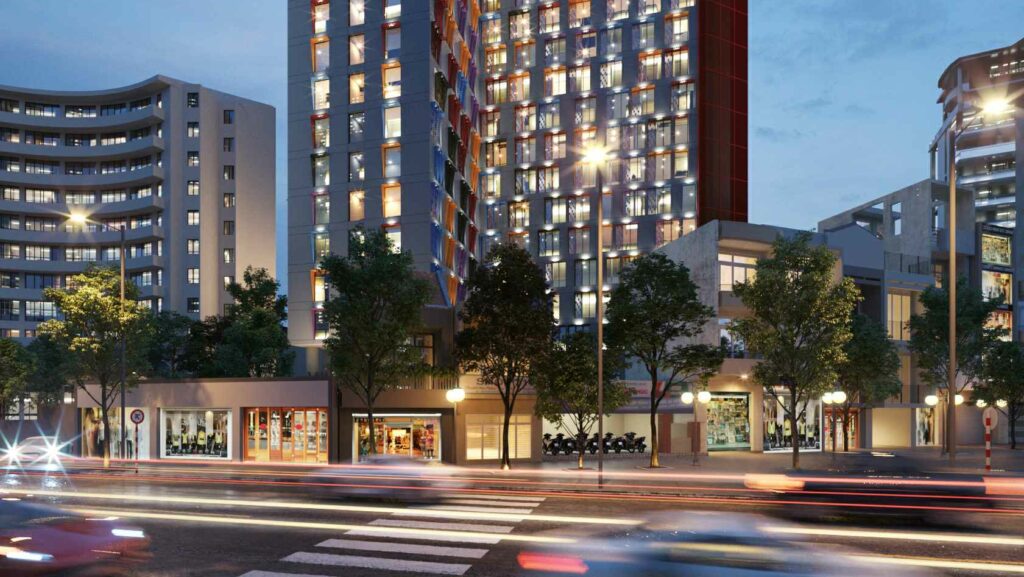
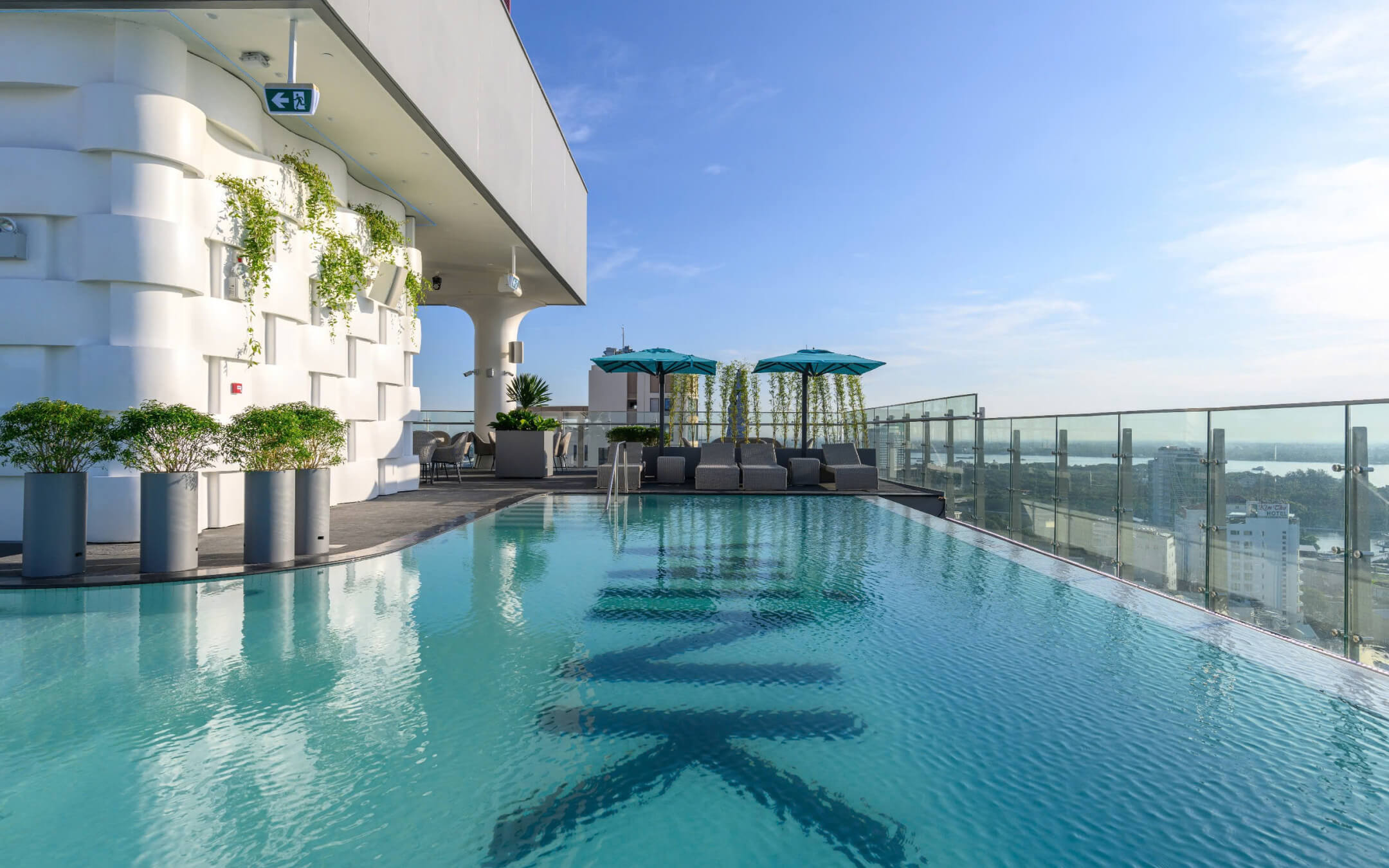
Stay at Wink Hai Phong Centre, Unscripted by Hyatt and you’re not just booking a room — you’re choosing the best possible base for your Hai Phong itinerary. The hotel sits at 135 Điện Biên Phủ in the heart of Hong Bang District, which means Hai Phong Cathedral is a two-minute walk, the Opera House is a relaxed stroll, and the old colonial quarter is literally outside the front door.
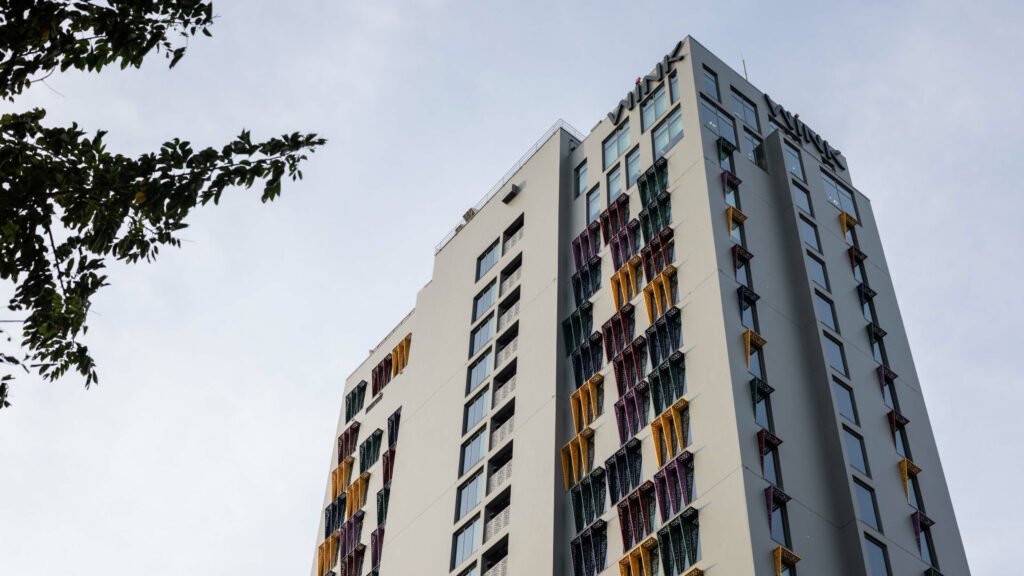
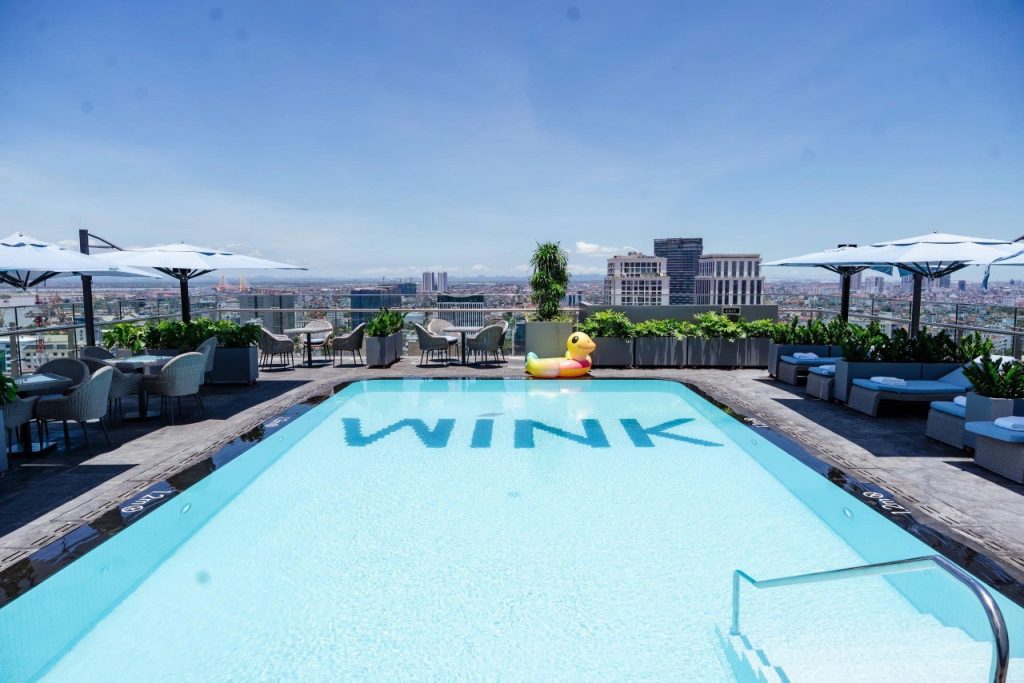
Wink is part of the Unscripted by Hyatt collection, and it shows. A 22-storey splash of purples and blues and greens, a rooftop pool on the 22nd floor, craft beer on the ground floor, a 24-hour stay policy that means you check in for a full 24 hours from arrival — not from noon. Late train from Hanoi? No problem. Early flight out? Handled. It’s a hotel designed around how people actually travel, rather than how hotel industry conventions say they should.
With that sorted, here’s exactly how to build the best Hai Phong itinerary for 48 hours.
Walk The Colonial Core (It’s Better Here Than You Think)
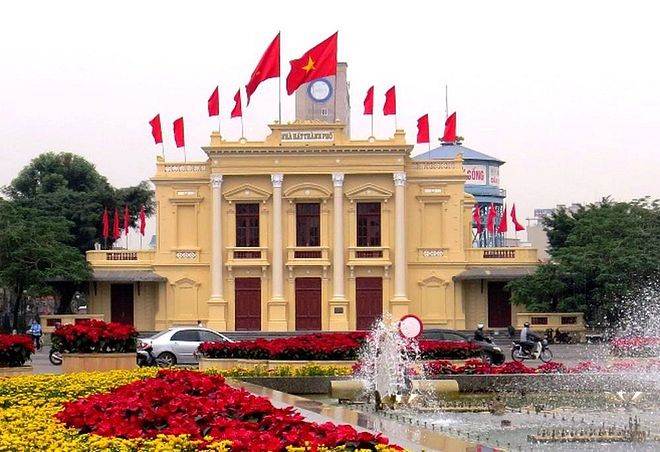
Every Hai Phong itinerary starts at the Opera House. And fair enough — it’s genuinely spectacular. Built between 1904 and 1912 and modelled on the Paris Opera, it’s a Baroque confection of arched windows, ornate stonework and a grand square that fills up with locals on plastic chairs every evening, sipping iced tea and not particularly caring that it looks like a film set. Sit with them. Order something cold. This is Hai Phong.
The Hai Phong Museum at 66 Điện Biên Phủ — practically the same street as the hotel — is one of the most underrated stops in this Hai Phong itinerary. Gothic colonial building, collection spanning ceramics, wartime artefacts and French-era photographs, and mercifully few tour groups. It’s the kind of place you wander into for twenty minutes and leave an hour later.
Two minutes from Wink, the Queen of the Rosary Cathedral is the quieter, greystone counterpart to Hanoi’s more famous St Joseph’s. Duck inside for the stillness. You’ll feel the city noise fall away almost immediately.
From there, head north into the phố cổ — the old quarter — where faded French villas lean against shophouses and the streets have the pleasantly unrenovated feel of a city that hasn’t yet decided to make itself Instagrammable. Wander. Get lost. Turn left when you feel like it. This colonial half-day is the backbone of any good Hai Phong itinerary.
Hai Phong Itinerary Essential: Have A Bowl Of The City’s Greatest Export
Before anything else — before the museums, before the temples, before even the rooftop pool — find a bowl of bánh đa cua. This is the dish that defines the Hai Phong itinerary for every first-time visitor. Thick, reddish-brown rice noodles in a rich, rust-coloured river crab broth, topped with crispy crab cakes, morning glory and fried shallots. Every local has a non-negotiable favourite spot. Ask at the Wink front desk — the team knows this neighbourhood better than any app, and they’ll send you somewhere good.
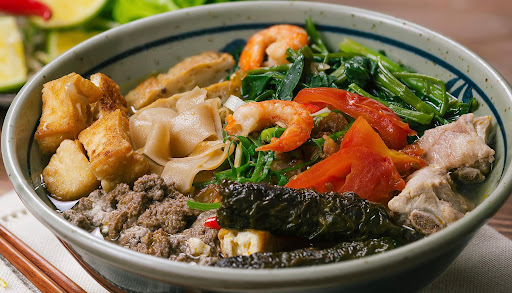
While you’re at it, look out for nem cua bể — crab spring rolls, deep fried, devastatingly good — and bánh mì cay, Hai Phong’s spicy baguette that gives the city’s take on the form a properly fiery personality. This is not Hanoi bánh mì. It’s better. For more on what to eat your way through in northern Vietnam, our guide to Vietnamese street food is a good place to start.
Go Deeper Into The Old Temples (But Choose Your Battles)
Hai Phong’s spiritual heritage doesn’t get nearly the attention it deserves, which means you get these places largely to yourself — a rare thing on any Vietnam itinerary in 2025. These temples are what separate a great Hai Phong itinerary from a purely surface-level one.
Du Hang Pagoda is a 17th-century Buddhist temple in a walled garden just south of the city centre — bonsai-lined courtyard, incense hanging in the air, golden Buddhas in orderly rows. It’s the most serene thirty minutes you’ll spend in the city.
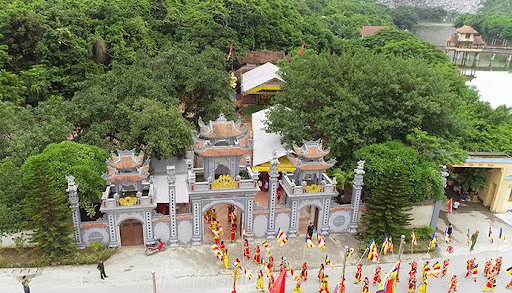
Hang Kenh Communal House requires a short ride but rewards the effort. The woodcarving here — 500 intricately worked panels covering the interior — is extraordinary, the kind of craftsmanship that stops conversation. It’s a reminder that Hai Phong was producing serious art long before the French arrived with their blueprints.
Nghe Le Chan Temple, dedicated to the legendary 3rd-century warrior Lady Trieu Thi Trinh, is an active place of worship with ancient stone carvings and beautifully kept grounds. Come during a festival if you can time it — the atmosphere is electric.
Catch Sunset From 22 Floors Up
By mid-afternoon you’ve earned it. Head back to Wink, take the lift to the 22nd floor, and step out onto the Endless Summer Rooftop Pool & Lounge. The views across Hai Phong’s rooftops are genuinely excellent — the city laid out in every direction, the light turning gold, the temperature dropping just enough to make a swim feel like a good idea. Heated in winter, open year-round. Order something with a lot of ice and stay until the city lights come on.
This is, frankly, one of the best spots in this Hai Phong itinerary at any time of day. The fact that it’s included in your room is quietly remarkable.
Do The Night Market Properly
After dark, Hai Phong heads to The Lu Street (Phố Đêm), the night market that runs along the Tam Bac River from around 6 PM to midnight. Over 200 food stalls. Grilled seafood, crab spring rolls, spicy fish noodle soup, sweet drinks and condensed-milk-drenched desserts. On weekends, live cultural performances take over sections of the street. It’s chaotic and brilliant and very, very local.
On the way back, stop in at Wink’s Beer Garden on the ground floor. East West Brewing Co. craft beers are on tap, local artists take the stage on event nights, and the whole thing has the comfortable buzz of a neighbourhood bar that happens to be inside a 22-storey hotel. Stay as long as you like. The 24-hour stay policy means tomorrow morning isn’t a problem.
Get Out To Cat Ba Island (You Really Should)
Day two of this Hai Phong itinerary belongs to bigger skies and bluer water. Set out early — breakfast at Wink first, the buffet is worth it — and catch a fast ferry from Hai Phong’s Ben Binh port to Cat Ba Island, about 90 minutes east of the city.
Cat Ba is the largest of 366 islands scattered across Lan Ha and Ha Long Bays, and it’s the quieter, less-trafficked gateway into some of Southeast Asia’s most spectacular scenery. According to Vietnam National Administration of Tourism, Cat Ba Island is home to one of the most biodiverse marine environments in the country. Join a half-day boat tour through Lan Ha Bay — kayak through hidden lagoons, swim in sheltered coves, drift past limestone karsts draped in jungle — and you’ll understand immediately why people extend trips here by days at a time.
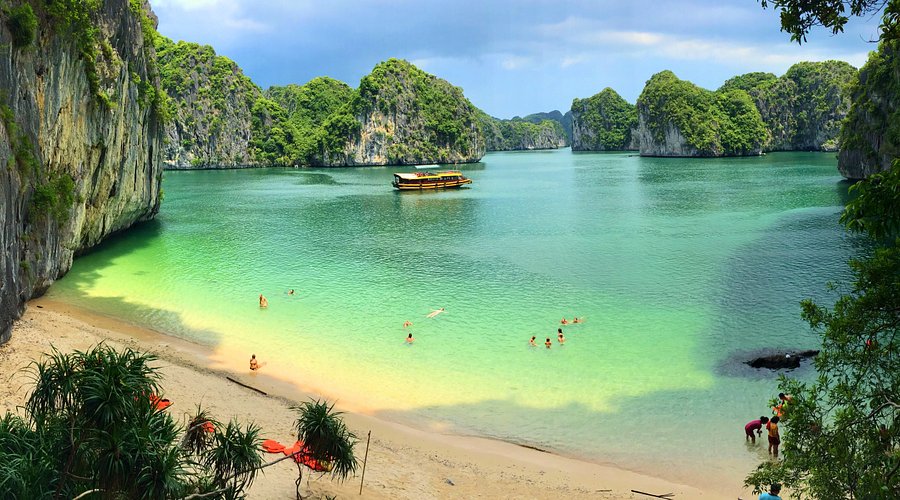
If you prefer land: Cat Ba National Park has jungle treks through diverse ecosystems and the chance, if you’re quiet and lucky, of spotting the critically endangered Cat Ba langur. And Hospital Cave — a multi-level wartime cave used as a secret military hospital during the American War — is one of the more unexpectedly gripping historical detours in northern Vietnam.
Half-day tours departing around 9 AM get you back to Hai Phong by mid-afternoon. Book through the hotel, or through a reputable operator — the team at Wink can sort this out.
Final Stop On The Hai Phong Itinerary: One Last Wander
No Hai Phong itinerary is complete without the Bach Dang Riverfront — a wide promenade running along the Cam River, cargo ships moving in and out of port, trees and benches and the particular satisfaction of watching a working city work. It’s one of those walks that asks nothing of you.
If you’re still moving, Sat Market (Chợ Sắt) — Hai Phong’s biggest and most characterful traditional market — is worth the detour. Seafood, produce, street food, everyday chaos. It’s loud and fragrant and completely alive in a way that covered markets in other Vietnamese cities have gradually stopped being.
And if there’s time, a final Vietnamese coffee at one of the terraces around the Opera House square before heading out. Iced, strong, condensed milk at the bottom. Let the city have one last minute of your attention. It’s earned it.